when working as a server in cambodia, risk management is the basic work to ensure business continuity and data security. this article focuses on the characteristics of the localized operating environment, systematically sorts out common security threats and protective measures when setting up servers in cambodia, and helps companies formulate executable security strategies that take into account compliance and cost-effectiveness.
cambodia's network infrastructure, power supply stability and regulatory environment are different from those in developed markets, so operating servers in cambodia faces unique risks. common issues include power outages, bandwidth fluctuations, local legal and data sovereignty requirements, and cross-border connection delays, which can impact availability and compliance and need to be prioritized in risk assessments.
when working as a server in cambodia, common cyber threats include ddos attacks, vulnerability exploitation, unauthorized access and credential leakage caused by phishing. configuration errors and failure to patch in time at the application layer can be exploited. it is recommended to implement layered protection, waf, intrusion detection and the principle of least privilege to reduce the attack surface and speed up response.
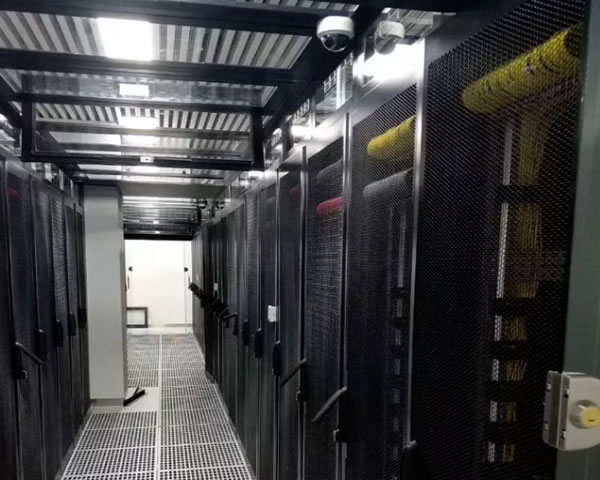
physical risks are significant in cambodia, including unstable power supply in data centers, air conditioning failures and natural disasters. therefore, when building servers in cambodia, it is necessary to evaluate the level of computer rooms, redundant power supplies and generators, fire protection and flood control measures, and consider off-site backup and cross-region disaster recovery to ensure that key services can still be restored in the event of infrastructure failure.
insider threats and supply chain risks are equally important in localized deployments. when operating a server in cambodia, you should control third-party access rights, conduct background checks on outsourced operation and maintenance, and sign sla and security terms. implementing audit logs, regular permission reviews, and security awareness training can significantly reduce risks caused by human operations or vendor vulnerabilities.
when operating a server in cambodia, you need to pay attention to data protection laws, cross-border data transmission restrictions and industry regulatory requirements. compliance risks include failure to meet customer or regulator requirements for data sovereignty, privacy protection and record keeping. it is recommended to work with legal counsel to develop a privacy and data processing policy that complies with cambodian regulations.
establishing a complete risk management process is crucial for doing server work in cambodia. core practices include regular risk assessment, hierarchical protection, patch management, backup and drills, monitoring alarms and incident response processes. combine localized sla and supplier assessment to form quantifiable security indicators and continuously improve them.

overall, risk management requires taking into account four types of risks: network, physical, personnel and compliance. it is recommended to conduct a comprehensive risk assessment first, prioritize availability and data sovereignty issues, implement layered protection and disaster preparedness drills, and establish a continuous monitoring and compliance review mechanism to ensure long-term stable and compliant operations.
- Latest articles
- Complete Huawei Cloud Singapore Server Instance Creation And Environment Configuration From Scratch In One Hour
- Practical Guide To Building A Korean Cloud Server And Designing A Data Backup And Disaster Recovery Center
- Operator Comparison Analysis Of Latency And Stability Of Vietnam Vps Cn2 Different Packages
- How To Choose A Thai Cloud Server? Comparison Of Manufacturer Reputation, SLA And Technical Support
- How To Calculate Elastic Expansion Costs In The Hong Kong Server Hosting Price List Based On Business Peaks
- The Role And Implementation Of Vps Cambodia In Cross-border Data Synchronization And Backup Solutions
- Monitoring And Log Analysis Improve Singapore CDN Server Cache Hit Rate And Response Speed
- Long-term Operation And Maintenance Cost Calculation Helps You Determine Whether Buying A Cheap Hong Kong Cloud Server Is Cost-effective
- Precautions For Purchasing Vps In Singapore From The Perspective Of After-sales And Security
- Market Observation Analysis Of The Differences Between Mainstream Manufacturers And Services Of U.S. Vps Cloud Servers H
- Popular tags
-

Vanity Players Must-see Cambodia Server Selection Strategy
This article provides a comprehensive guide for vanity players when choosing a Cambodian server, including a comprehensive analysis of server type, stability, latency, player community, etc. -

Operation And Maintenance Experience Sharing, Daily Monitoring And Fault Handling Process Of Cambodian Site Cluster Servers
share the daily monitoring and fault handling process of the cambodian site cluster server, covering monitoring strategies, key indicators, alarm mechanisms, log analysis, fault location and response processes, which is suitable for the site cluster operation and maintenance team to improve availability and response efficiency. -
In-depth Understanding Of Cambodia Cn2’s Position In The International Network
delve into cambodia's cn2's position in international networks and understand its impact on regional network infrastructure and economic development.